
2026-11-05
International conference: circular solutions call for scaling up together
Tags
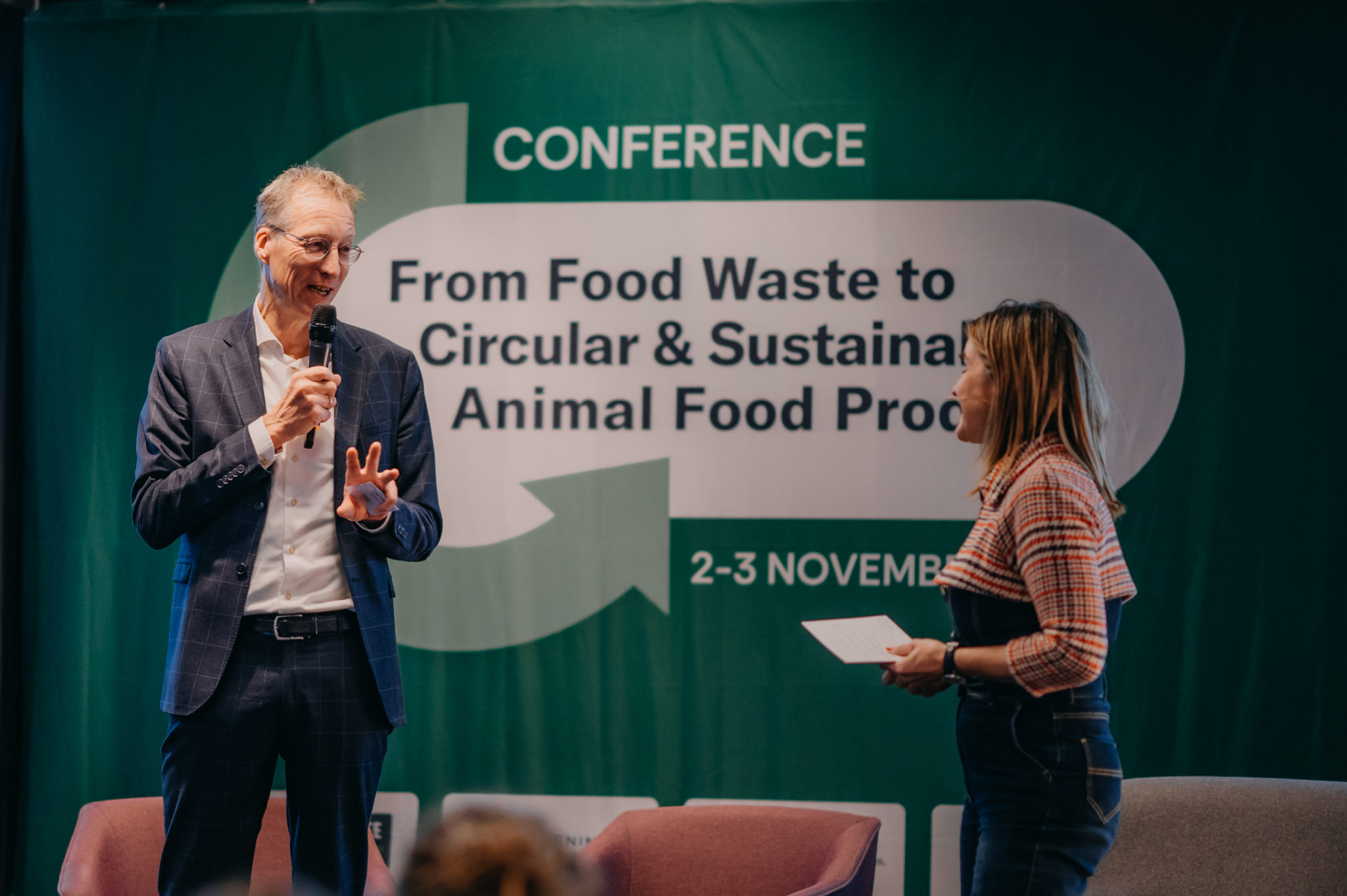
Photo by Elke Teurlinckx Photography.
How can we make better use of residual streams to produce meat, eggs and dairy more sustainably? At the international conference From Food Waste to Circular & Sustainable Animal Food Products, 145 frontrunners from the food and feed chain came together to explore solutions and take steps towards scaling up. Practical examples from the Netherlands, Europe, the United States and Japan made it clear that there are already many ways to reduce food loss, make better use of raw materials and lower CO₂ emissions. Now it is time to connect these options and take them further.
For two days, practical experience, successful collaborations and policy developments took center stage. Solutions were exchanged, and new connections were made between parties who share the same ambition: applying circular solutions on a larger scale.
Telling the story together
Toine Timmermans kicked off with a call to look beyond the plate: "We need to tell the story behind the menu, not just what is on the table. That means showing what an efficient and resilient food system looks like and what role animals play in it."
In the plenary session it became clear that this story has to be chosen carefully. In the US, Kipster saw that climate-neutral eggs did little for consumers, while animal welfare did resonate. They stressed that a circular concept only succeeds if partners tell the story together and retail takes the lead. Oranjehoen made it tangible: "Chicken fillets don't grow, chickens do." So choose the whole animal and keep the chain short. Caterer Vermaat called for enforcing shared ambition: "Ask for it in your tender, as a catering client and as a guest."
Collaborating in the chain
In the panel on lowering the CO₂ footprint, retailers, meat processors and feed companies talked about their unique collaboration. Circular feed is currently more expensive, so a sound business model is needed in which the chain shares both costs and benefits. Even so, a minimal investment can already lead to a significant drop in CO₂. The dairy sector shows that sustainable steps pay off. The question now is which sectors will follow.
The case of Lidl Netherlands and FeedValid showed that it can be done. They investigated whether mixed streams from stores can safely be used as animal feed. The conclusion is that this is possible, provided the streams are sorted properly from the start. The next step is to actually feed them to pigs and scale up nationally. Tesco and RenEco shared their experiences from the United Kingdom.
The policy dialogue showed that many residual streams already go to animal feed, but that there is room for more. The Dutch Ministry of Agriculture, Fisheries, Food Security & Nature therefore sees animals as part of the food system. Norway added that the chain can mainly make better use of the existing (policy) options. Both countries saw opportunities to work together on European regulation, in particular on TSE regulation.
Break-out sessions
Japan showed that residual streams from professional kitchens are safely processed into certified feed on a large scale. In the Netherlands, the challenge is that there are many locations with small volumes.
In the policy game developed by Wageningen University & Research, participants stepped into the shoes of a policymaker, producer or retailer and experienced the trade-offs that come with residual streams, with safety as the first rule.
The Market Program for Sustainable Animal Products organized a chain dialogue on feed, feed conversion and footprint calculations. Farms differ, so there are many levers to pull. More data and uniform methods make steering possible.
Visiting the field
On day two, 60 participants visited three frontrunners. At Duynie, on the pig farm of the Smeenk family, they saw how wet by-products from the food industry replace up to 45 percent of dry feed using a Multifeed installation. At Darling Ingredients, it became clear how animal by-products become valuable raw materials again. Grassa showed how grass is processed into protein-rich juice and fibres, which could be a good replacement for soy.
From ambition to action
In his closing remarks, Toine Timmermans emphasized that many solutions are already available. The conference brought together parties who are willing to move forward with them. Not by each reinventing the wheel, but by connecting existing initiatives, learning from each other and taking the next steps together.
Food Waste Free United will keep driving this movement in the coming year. By holding on to the connections made during the conference and bringing parties together, we are working towards stronger collaboration between the food and feed chain. Because the solutions are there. The next step is making sure they are applied on a larger scale.
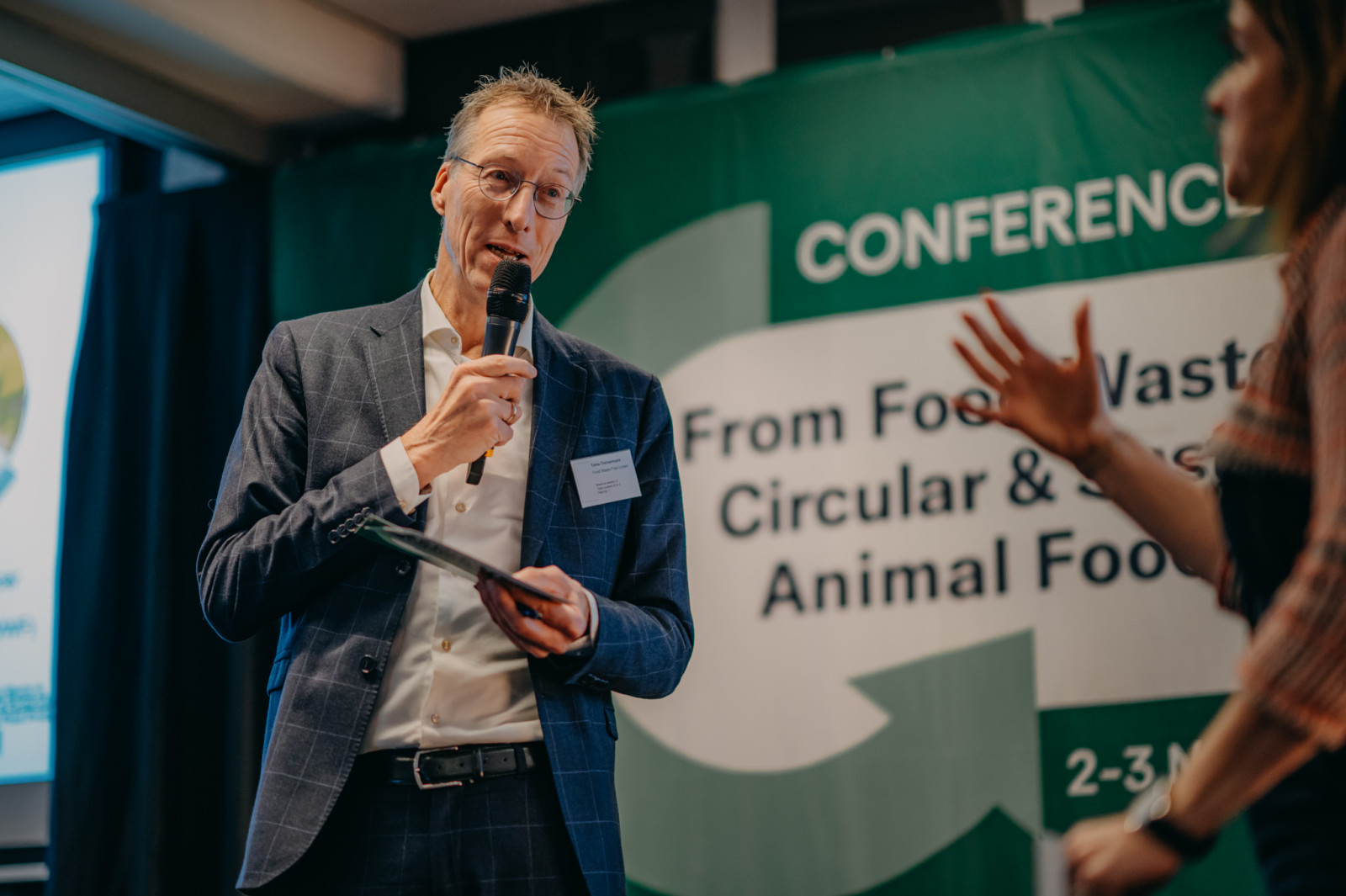
Photo by Elke Teurlinckx Photography.
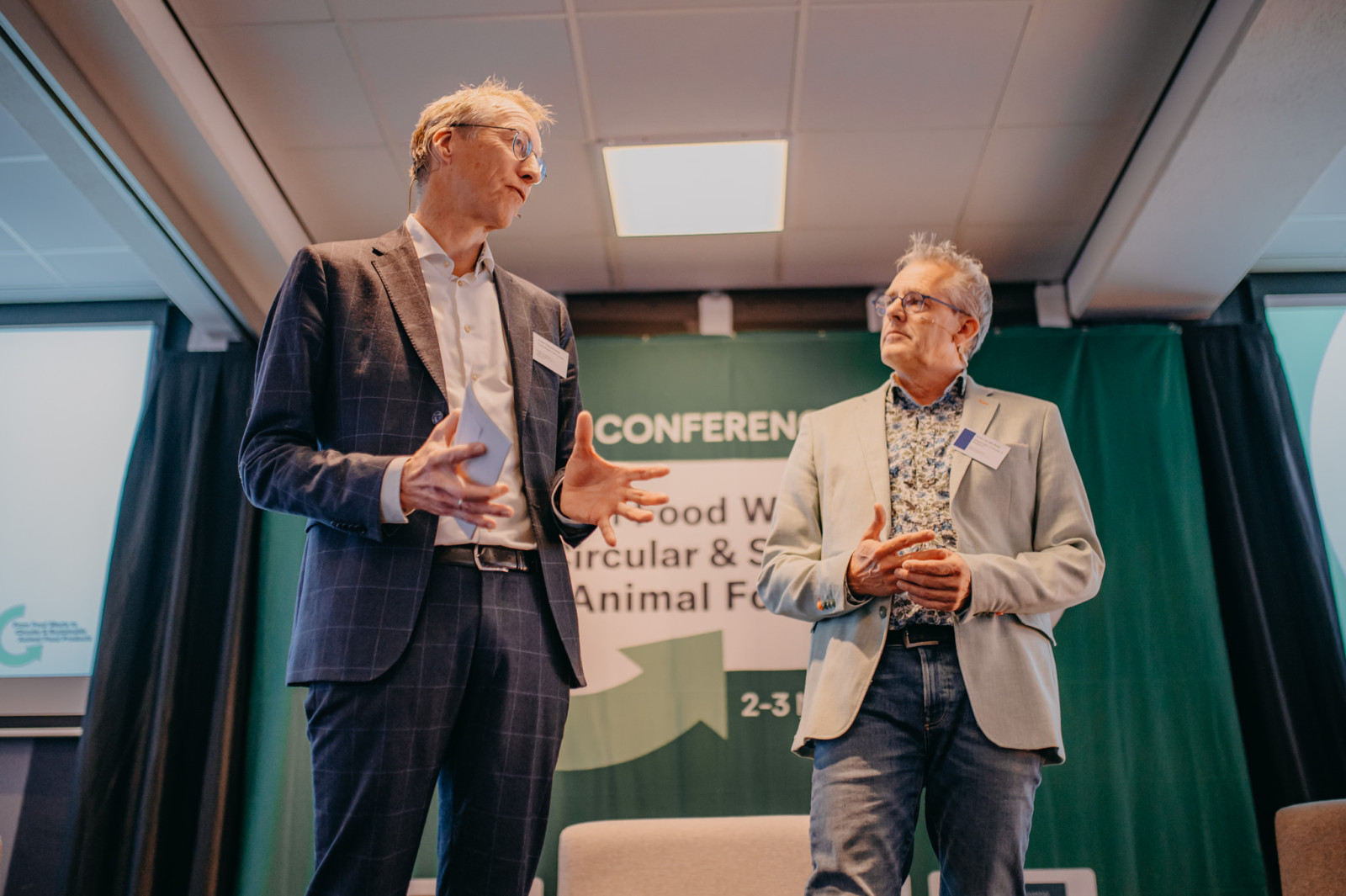
Photo by Elke Teurlinckx Photography.
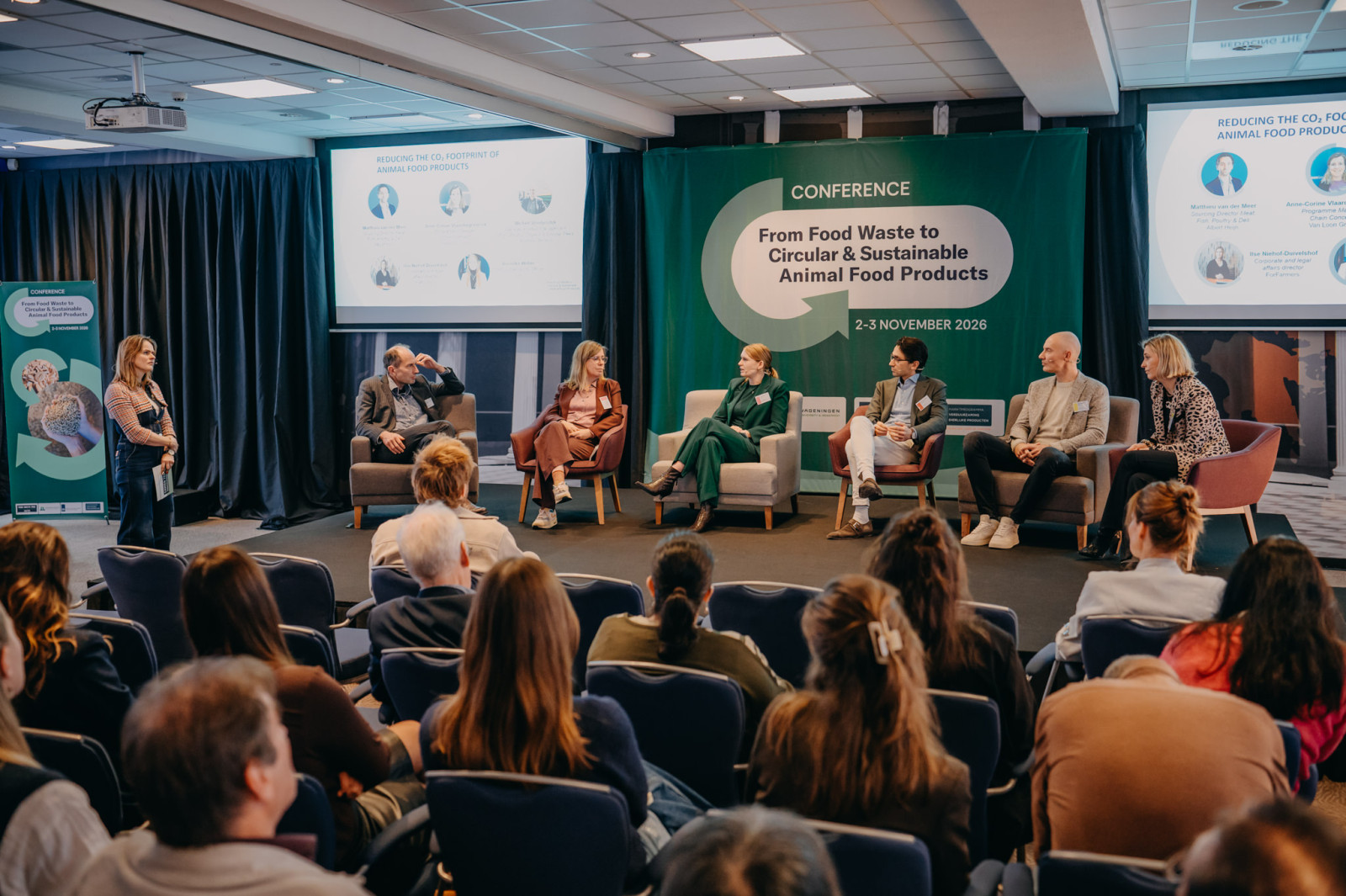
Photo by Elke Teurlinckx Photography.
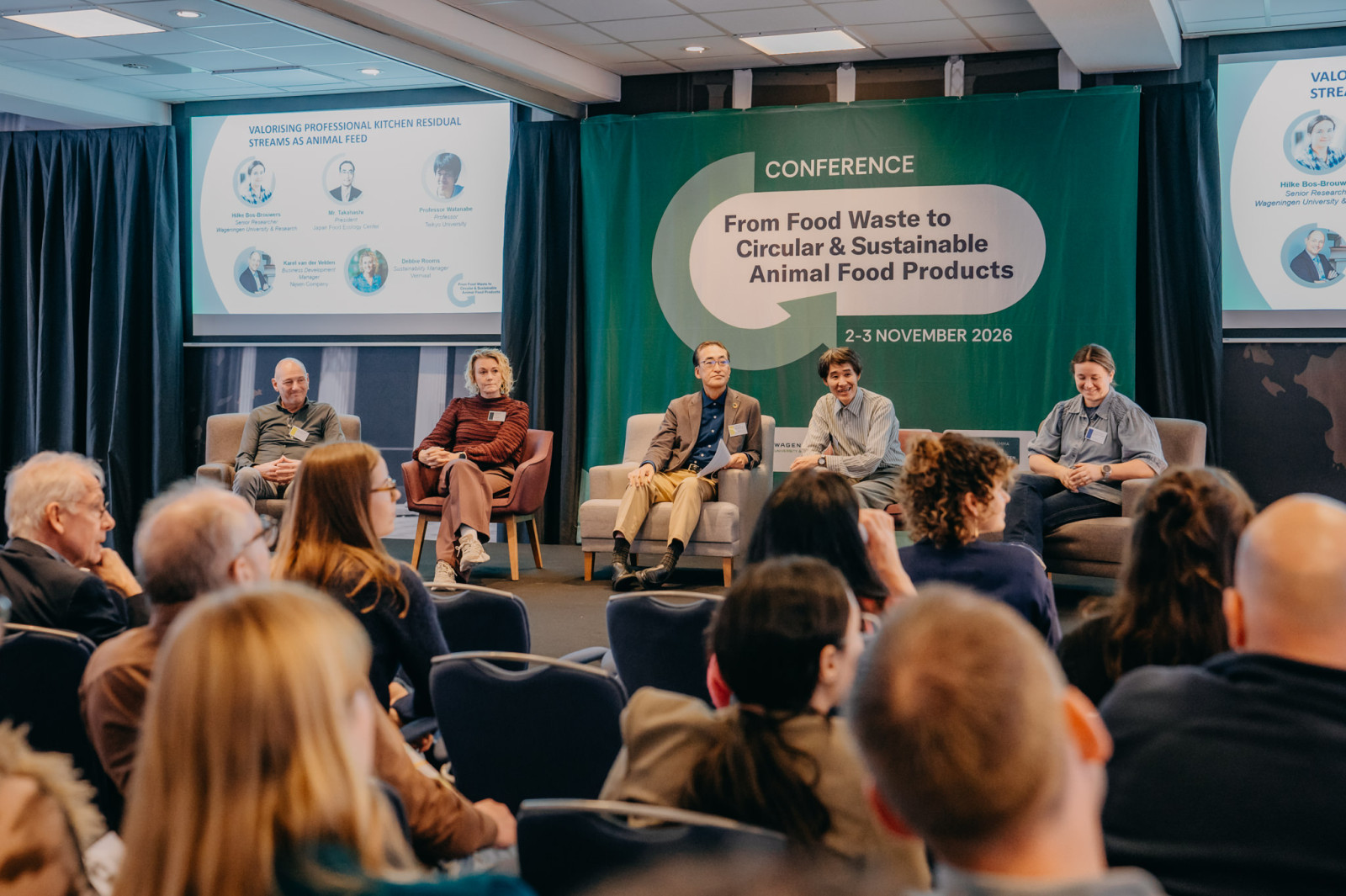
Photo by Elke Teurlinckx Photography.
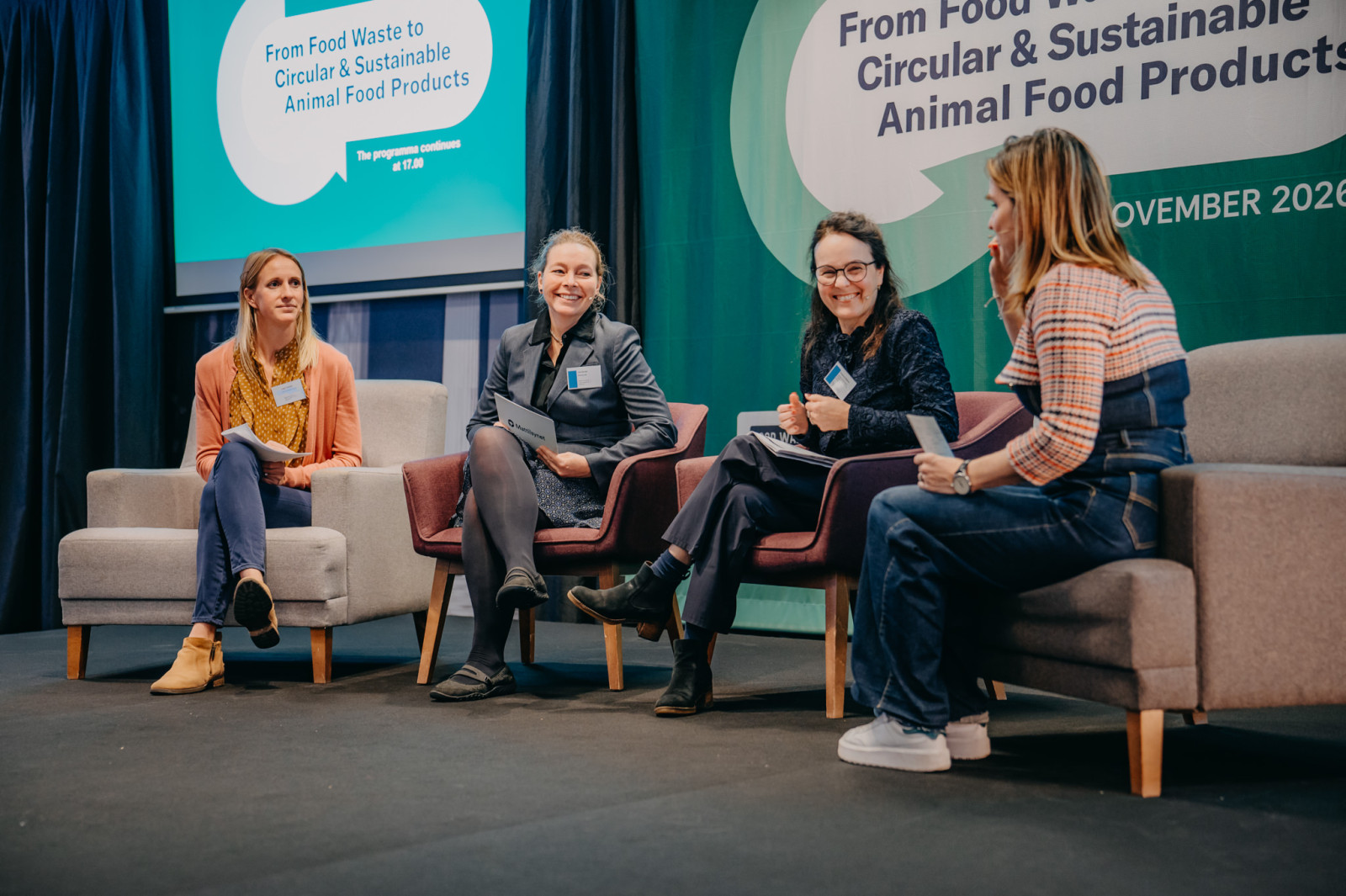
Photo by Elke Teurlinckx Photography.
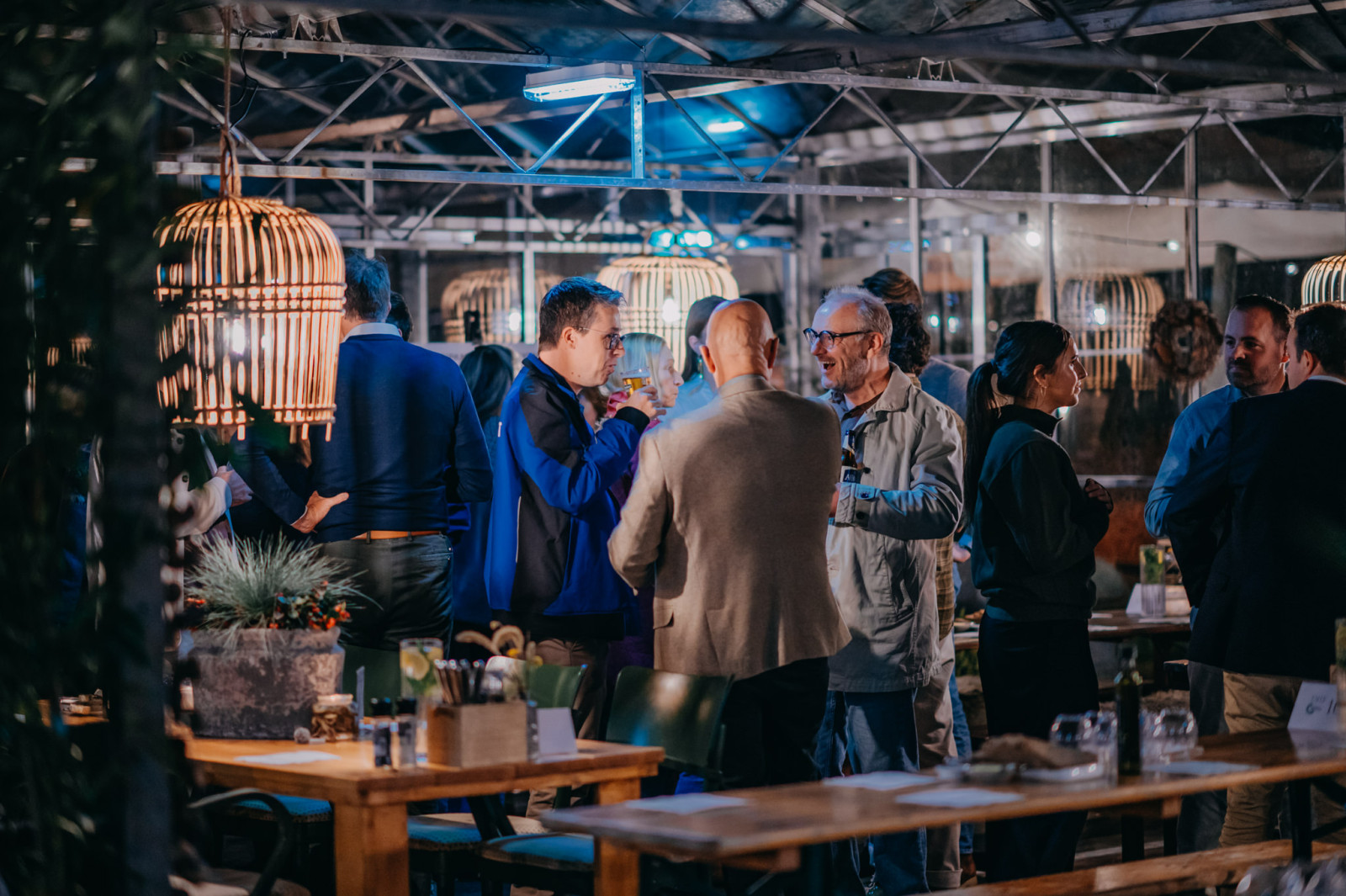
Photo by Elke Teurlinckx Photography.
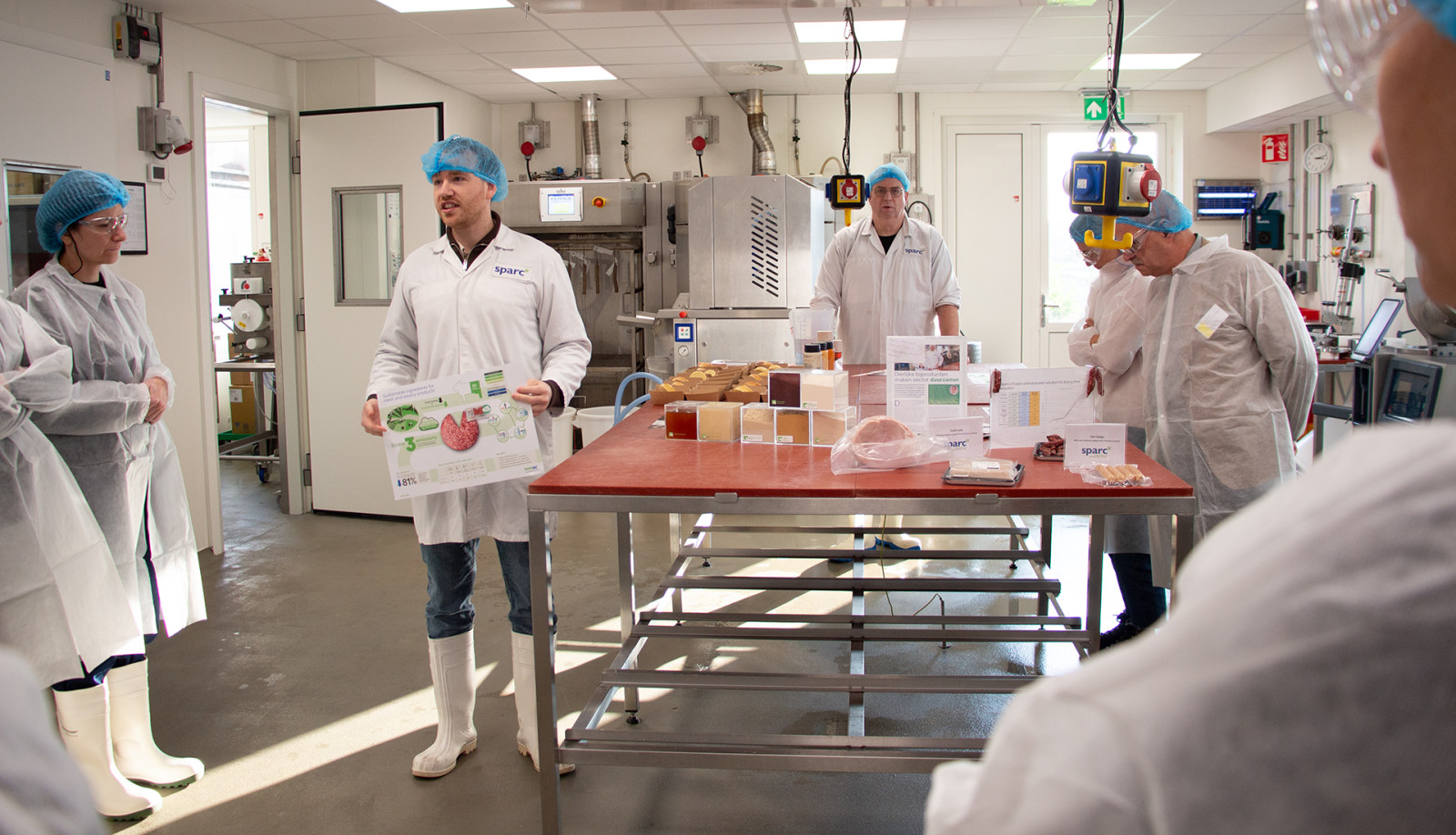
Field trip at Darling Ingredients.
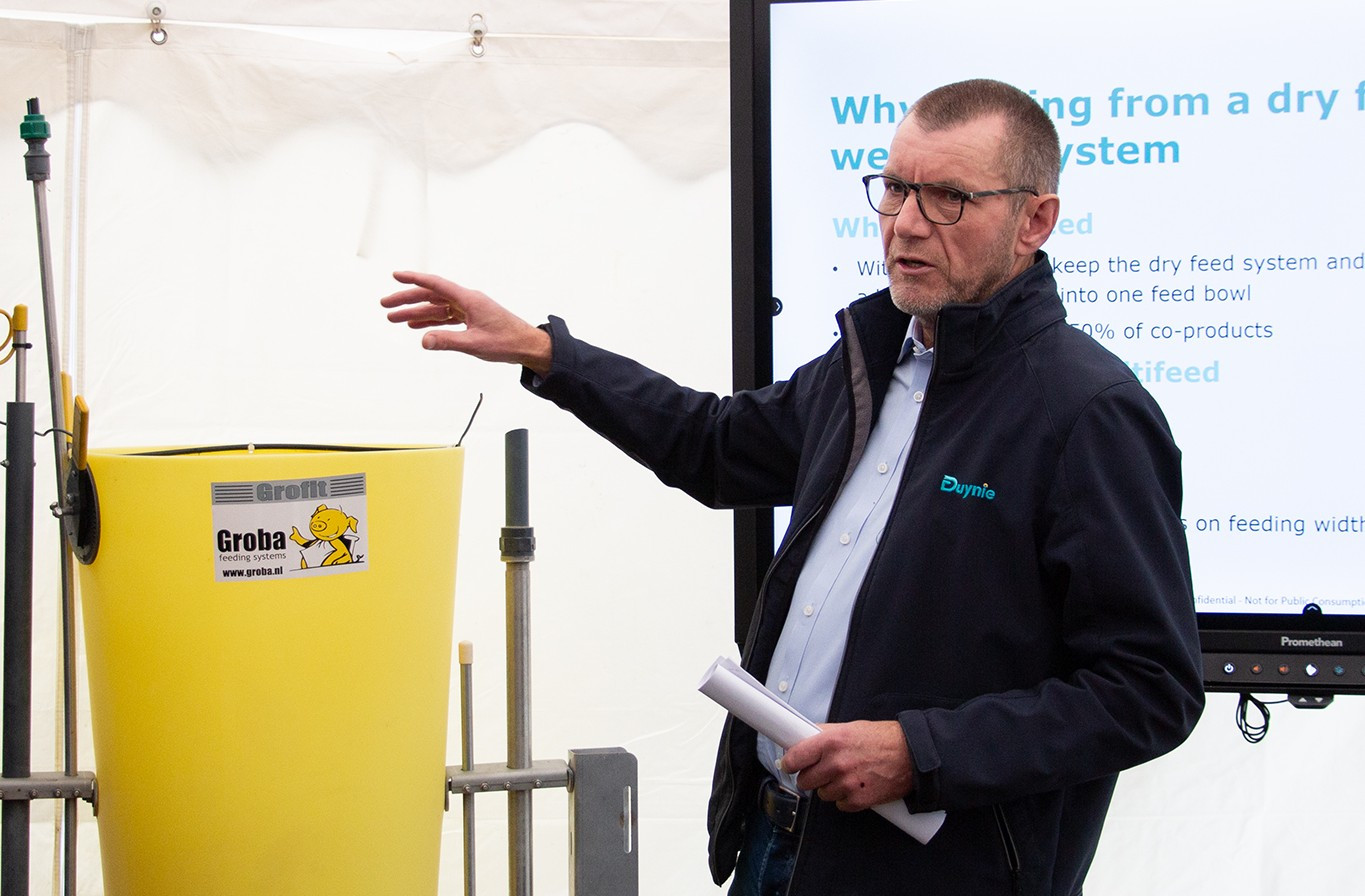
Field trip at Duynie Multifeed.
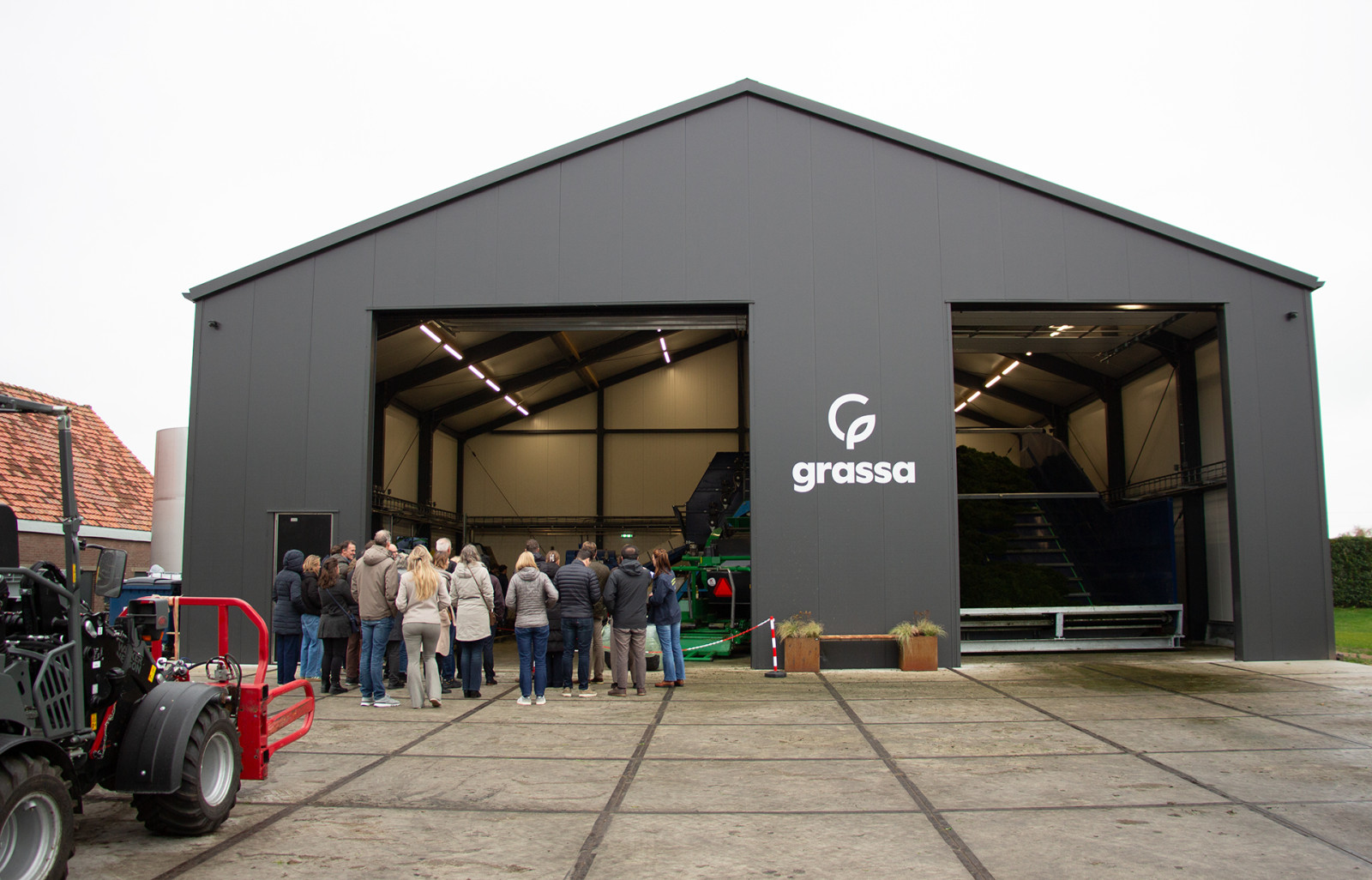
Field trip at Grassa.