
Completed and ongoing cases
In the Circular Animal Protein Chain cluster, participating parties are working on various cases. Below you can read more about the ongoing and completed cases.
Ongoing cases:
From kitchen to pig
How can nutrients from residual streams, such as cutting waste from restaurant kitchens, be smartly used as animal feed? Under current legislation and regulations, this is not permitted due to feed safety. But how wonderful would it be if those nutrients did find a useful end destination? Bilderberg and Nijsen Company share this ambition. In a project, they are exploring what is possible, permitted, and safe for feed.
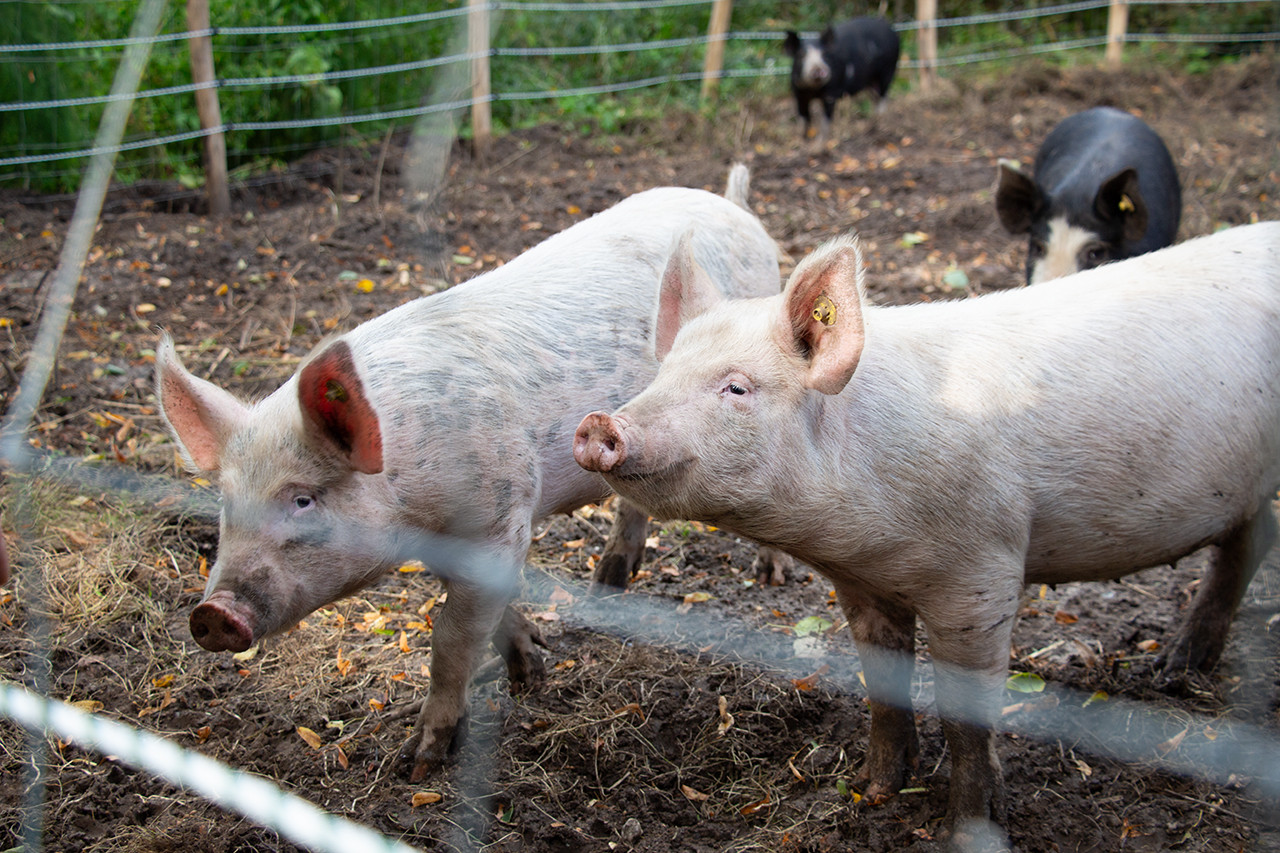
In a practical project, four pigs are being raised on circular animal feed from Nijsen Company, supplemented with crop residues from the Bilderberg herb and vegetable garden. This is done entirely within applicable legislation and with the assurance of feed safety. The project serves as an exploration of what is possible and aims to initiate a dialogue on how business processes can be adapted so that more residual streams can be safely processed into pig feed. In this way, more raw materials can be retained within the food chain.
Read more (in Dutch).
Black soldier fly
Looop is conducting a feasibility study into the use of black soldier fly meal as an alternative to, for example, fish meal in aquaculture. This research investigates whether low-grade GMP+ certified residual streams, which are unsuitable for the food chain, can be economically upgraded through insect farming. The end product, Processed Animal Protein (PAP), can subsequently be used as a protein source in fish feed, among other applications.
Within the test setup, experiments are being conducted with various feed compositions to achieve the optimal growth of black soldier fly larvae. Research is being carried out to determine which combination of proteins, carbohydrates, fats, vitamins, and minerals is most suitable. The results of this study could be an important step towards a profitable and circular application of insect technology in the feed sector.
Read more.

Low-CO2 industrial liquid egg
TopFeed is investigating how to demonstrate that their eggs for the food industry have low CO₂ emissions, so that retailers can use them to achieve Scope 3 targets. The low footprint is realized through efficient working methods, an integrated supply chain concept, and the use of circular raw materials in the feed. In this process, soy protein, fats, and starch are largely replaced by protein- and energy-rich residual streams.
For this case, the CO₂ difference per kilogram of industrial liquid egg compared to a conventional European industrial egg, is being investigated. Additionally, the study examines how this saving can be made demonstrable and transferable within the chain. Simultaneously, research is being conducted into how emissions can be reduced even further by optimizing feed composition using residual streams. This should provide insight into the climate benefits of the TopFeed production system and contribute to a more circular and transparent food system.
More about TopFeed.

Publication risk study kitchen waste
Case Nijsen & FeedValid – scientific publication on disease spread via kitchen waste streams
Wageningen Food Safety Research is working on converting a completed theoretical risk study into a scientific publication in collaboration with FeedValid and Nijsen Company. The aim is to get the topic on the agenda of European institutions. This publication theoretically investigates the extent to which organic residual streams originating from professional catering kitchens pose a risk of spreading infectious animal diseases when processed into pig feed. The focus here is on diseases such as Foot-and-Mouth Disease (FMD) and African Swine Fever (ASF). BSE is deliberately excluded from consideration at this stage to first thoroughly address other, more relevant risk areas.
The study builds upon previous research into risk models for animal disease transmission via kitchen waste but utilizes generic data from hospitality processes. A quantitative model is employed to determine the extent to which infections can occur when residual streams contain contaminated material. It also investigates whether treatment methods such as heating, storage, or lowering the pH value leads to a further reduction in pathogenicity and thus a lower risk of spread.
The planned publication aims to strengthen the scientific basis needed to broaden the dialogue with the European Commission. By accurately quantifying the risks and providing insight into the effectiveness of various processing steps, the study aims to contribute to the safe and circular utilization of food residual streams, and thereby to the reduction of waste within the protein chain.
Impact study kitchen residual streams
Case Nijsen – impact study on the use of kitchen waste streams for animal feed
Nijsen Company is conducting a theoretical impact study into the possibilities of safely and efficiently valorizing kitchen waste streams from professional kitchens within the animal feed sector. This (theoretical) study runs parallel to the scientific publication process focusing on animal health risks but specifically targets the broader sustainability and economic impact of processing kitchen waste into feed raw material.
The results of this impact study can make a significant contribution to the discussion on the reintroduction of kitchen waste streams into animal feed on a European scale. By providing insight into the environmental and cost benefits, the study can support policymakers and chain partners in exploring circular alternatives to conventional protein and energy sources. In doing so, the study aligns closely with the ambition to valorize food residual streams as high-value as possible and to further reduce waste.
Residual streams to insects for feed
Case Oranjehoen & Looop & HelloFresh – Black soldier fly fed with HelloFresh residual streams for chicken feed
Oranjehoen has been collaborating with HelloFresh for four years now, utilizing plant-based by-products from meal box, such as carrots and beets, as a valuable feed source for their chickens. This partnership makes it possible to give food that is no longer suitable for human consumption a second chance within livestock farming. In doing so, Oranjehoen actively contributes to reducing waste and creating a more sustainable protein chain. Additionally, this closes the circular chain.
Research is currently being conducted into how additional residual streams can be utilized even more effectively through insect farming, particularly by using the black soldier fly. In collaboration with Looop and others, various routes are being explored to convert vegetable residual streams into high-value proteins in an economically and ecologically viable manner. The black soldier fly larvae can then be fed to the chickens.
The outcomes of this process could represent an important step towards a circular model in which both chickens and insects play a role in the smart utilization of HelloFresh’s food residual streams that would otherwise be lost.
Poultry PAPs in pig feed
Case Darling Ingredients - poultry PAPs in pig feed
Darling Ingredients is investigating how poultry PAPs (Processed Animal Protein) can be optimally utilized as a sustainable replacement for soy protein in pig feed. Although the use of these PAPs is already permitted, Darling Ingredients aims to further substantiate the effects on CO₂ savings, animal health and behavior. In doing so, research is being conducted into how a high-value by-product can contribute to both sustainability and improved animal performance.
Since 2021, PAPs have been permitted for use in animal feed again, giving protein-rich by-products a valuable purpose. In a previous collaboration with JEGG, Darling Ingredients demonstrated that replacing soy in chicken feed with pig PAPs not only improves chicken health but also results in stronger eggshells and a lower CO₂ footprint. These results underscore the potential of PAPs as a circular protein alternative.
Poultry PAPs have also been permitted for pig feed since 2021, but the application has remained limited so far due to a lack of practical data. Initial practical results show positive effects on both the behavior and health of pigs, offering prospects for broader use in the chain. A suitable practical location is currently being sought to conduct tests and further substantiate these findings. With positive outcomes, the demand for poultry PAPs could increase, allowing this by-product to be utilized higher up the Ladder van Moerman and taking an extra step towards reducing food waste.
Research residual streams to digesters
Case WUR & Food Waste Free United – residual streams from the food chain to digesters
Wageningen University & Research (WUR), in collaboration with Food Waste Free United, is investigating the extent to which food waste from the Dutch food chain is currently processed via digesters, while a portion of this may also be suitable for use in animal feed. The aim is to gain insight into the degree to which valuable residual streams are currently being utilized at a low level, whereas, according to the Ladder van Moerman, they could serve a higher and more sustainable purpose.
Within the study, the various types of digesters in the Netherlands are first inventoried, ranging from central installations to industrial digesters. This involves examining their locations, the nature of the input streams, and existing data regarding the quantities of kitchen and food waste sent to digestion. This literature study forms the basis for a decision on whether additional data collection via interviews is desirable and feasible.
If the follow-up study is initiated, WUR will conduct interviews at various digester sites to gain insight into the volumes, composition, and origin of residual streams currently being digested. This information is crucial for a better understanding of where competition arises between energy generation and high-value applications such as animal feed. Policy choices and subsidies also play an important role in this, as they can make digestion financially attractive compared to alternatives higher on the Ladder van Moerman. The results can provide important tools for policy development and supply chain agreements to utilize food residues as high-value as possible.
Completed cases:
Residual streams to dairy cattle
Vitalvé is exploring the possibilities of utilizing residual streams from the food industry as high-value feed for dairy cattle. Vitalvé sees this as an opportunity to contribute to a more sustainable agricultural sector while simultaneously supporting dairy farmers in future-oriented business operations.
This case study investigates how an efficient and scalable chain can be established in which residual streams from food partners are distributed to dairy farmers via Vitalvé. This involves examining the nutritional value, processing possibilities, and logistical feasibility of various residual streams. The goal is to safely and effectively reuse residual streams unsuitable for human consumption within livestock farming. This aligns with Vitalvé’s vision as a knowledge partner in circular farming.
More about Vitalvé.
Risk Analysis of Feed Fries
McDonalds is conducting a risk analysis regarding the spread of infectious animal diseases via kitchen waste streams (organic waste generated in a kitchen, canteen or restaurant) in animal feed. Three animal diseases are being investigated: BSE, Foot-and-Mouth Disease and African Swine Fever. For this case, it is being investigated whether the use and processing of McDonald’s kitchen waste as pig feed would lead to the spread of infectious animal diseases.
Currently, a quantitative risk model is being worked on to calculate the probability of new infections if kitchen waste contains products originating from infected animals. The extent to which this exposure leads to infection (dose-response model) is being investigated. Additionally, research is being conducted into whether treating kitchen waste streams (heating, storage, pH reduction) can lead to further minimizing the risk of transmission of infectious animal diseases.
Case My-pro and Nijsen Company
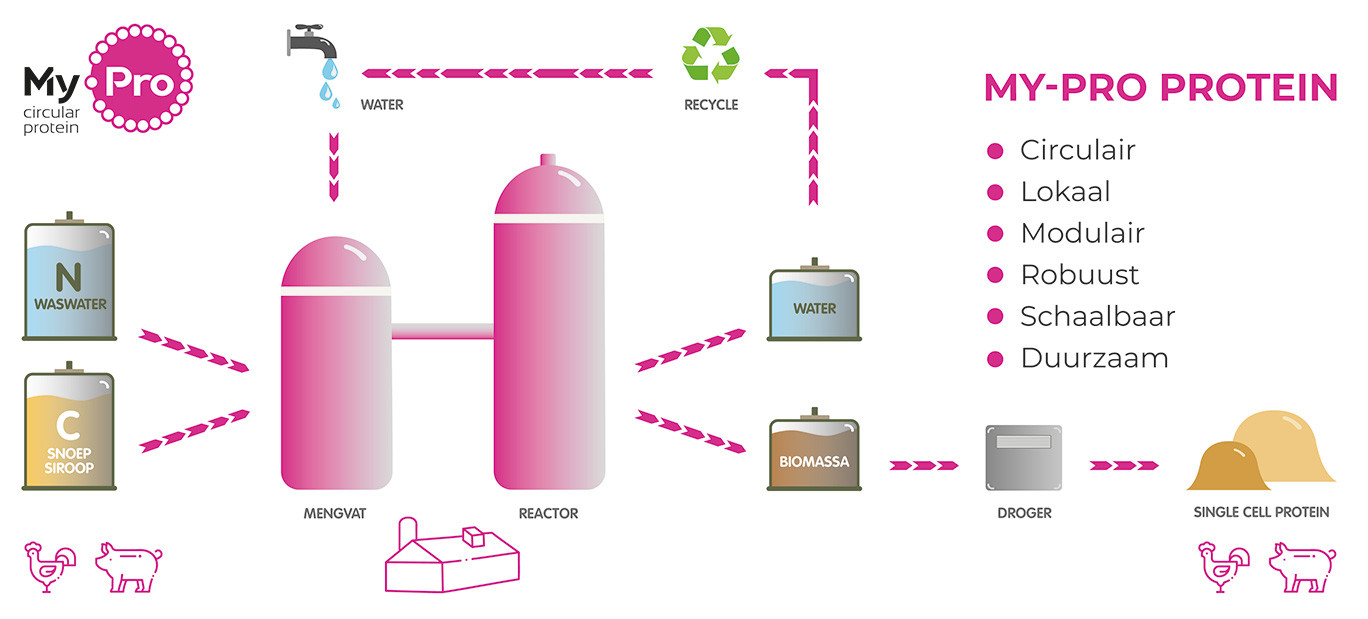
Can wastewater from air cleaners and candy syrup from the confectionery industry be given new value by creating proteins through a fermentation process? And what is possible within the framework of current legislation and regulations? My-Pro investigated this in collaboration with Nijsen Company in a case study of the Circular Animal Protein Chain cluster.
Read the whole article (in Dutch).
Case Kipster and Nijsen Company
The chicken feed for Kipster's chickens consists of 97% leftovers and 3% vitamins and minerals. Kipster, Lidl, and Nijsen have established a circular supply chain collaboration. Unsold bread from Lidl is transported via the bakeries to Nijsen Company, where it is mixed into chicken feed. In addition, they continue to search for new residual streams that can be fed to chickens. Kipster feeds this to their chickens, after which the eggs are sold at Lidl.
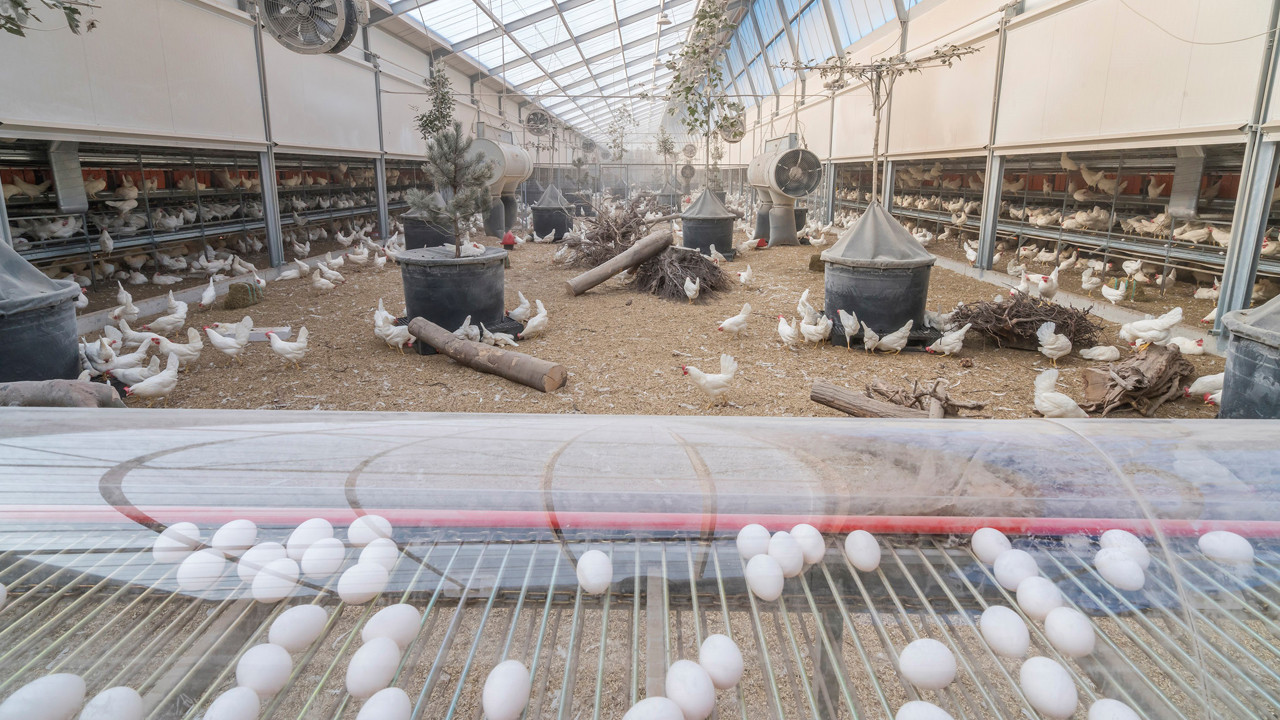
Source photo: Kipster.
Case Nijsen Company and McDonald's
Together with McDonalds, Nijsen Company investigated whether McDonalds’ fries could be used in pig feed. Although the product is highly usable, the Netherlands Food and Consumer Product Safety Authority’s requirements regarding the separation of residual streams at McDonalds’ locations to prevent contamination with animal proteins proved unfeasible. Although the case did not lead to a successful application of a residual stream, it does provide valuable insights into what is needed to successfully valorize out-of-home streams.
A follow-up investigation has since been initiated.
Case Darling Ingredients and JEGG
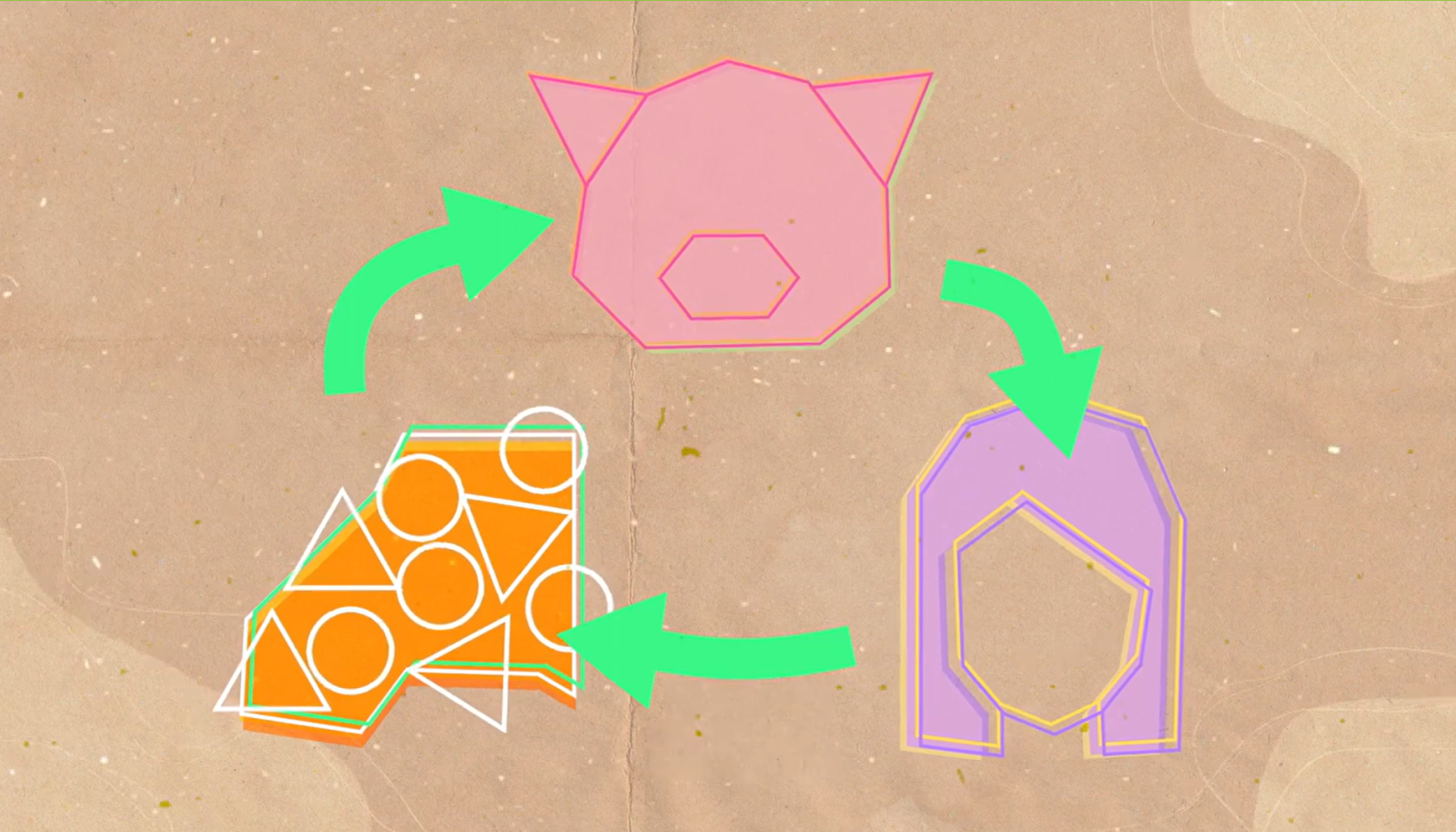
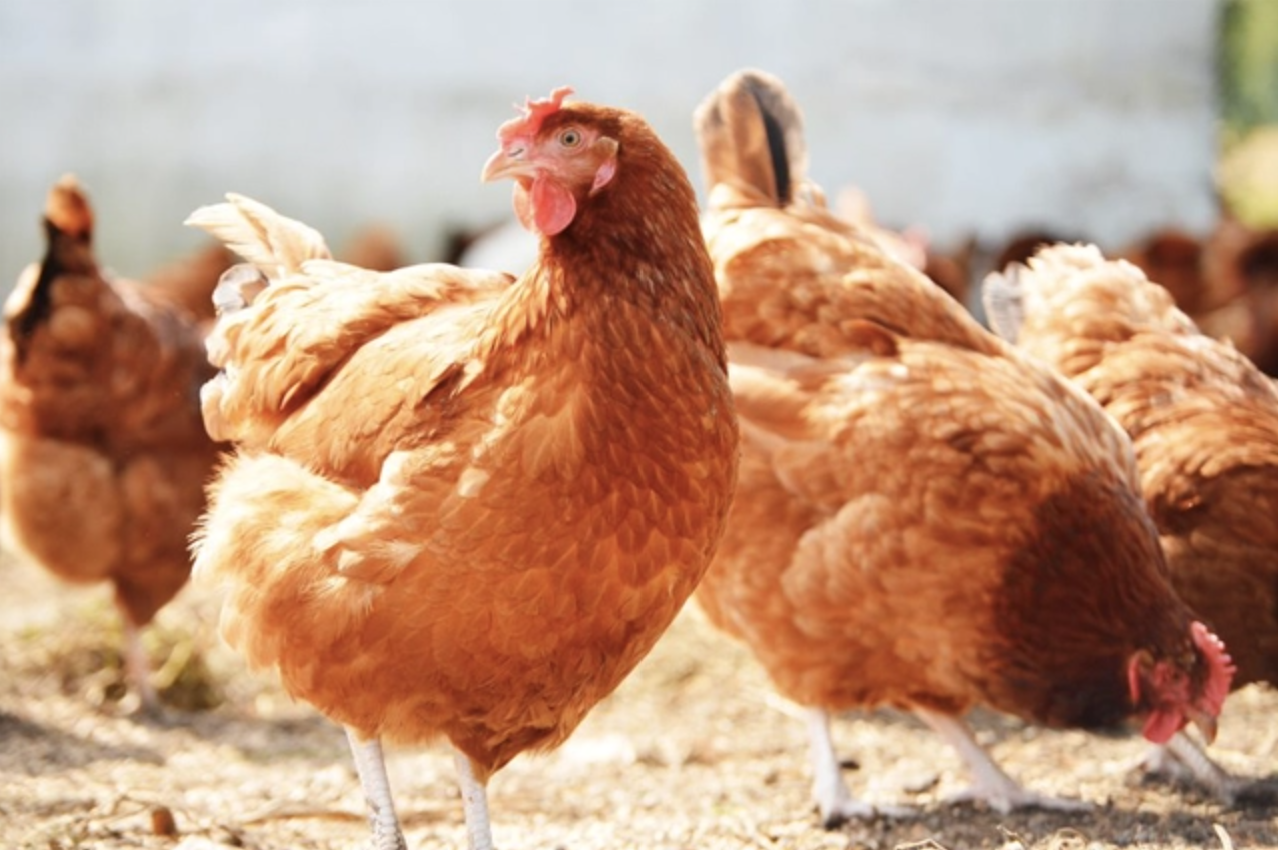
Darling Ingredients and JEGG are experimenting together with adding Processed Animal Protein (PAPs) made from pork by-products to JEGG's chicken feed. These PAPs are a residual product but also constitutes a protein-rich ingredient that can be effectively used in chicken feed. In this way, these parties are upcycling a residual product into an animal protein product for human consumption, eggs.
Read more (in Dutch).
Case Zonvarken
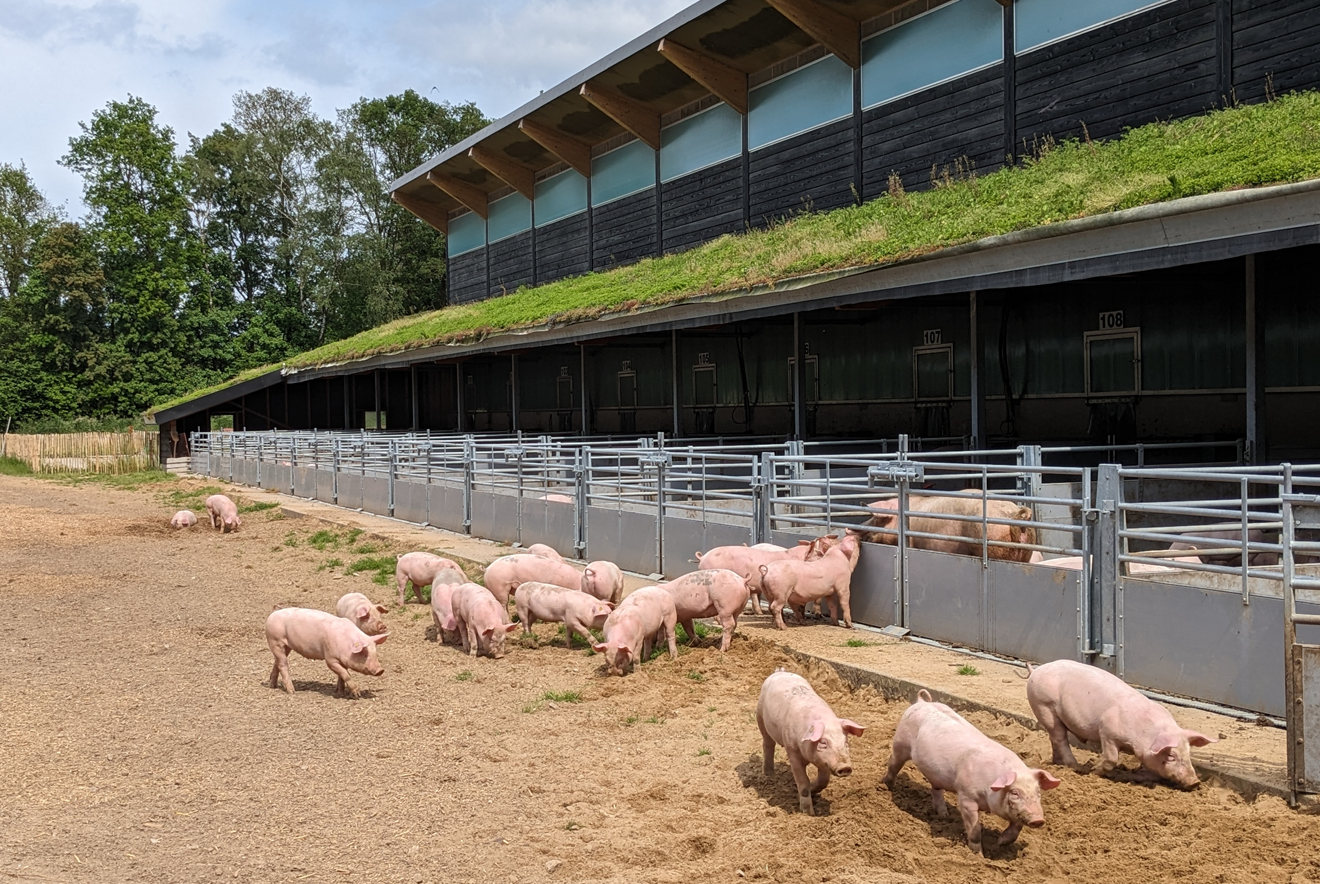
Zonvarkens are fed with 100% residual and return flows from human food. Small residual streams that previously ended up in a digester are also utilized at Zonvarken. In doing so, Zonvarken helps to combat food waste, and furthermore, the pigs do not compete with humans for food suitable for human consumption. Zonvarken products are now available at Jumbo supermarkets.
Read the newsarticle (in Dutch).
Case FeedValid and Oranjehoen
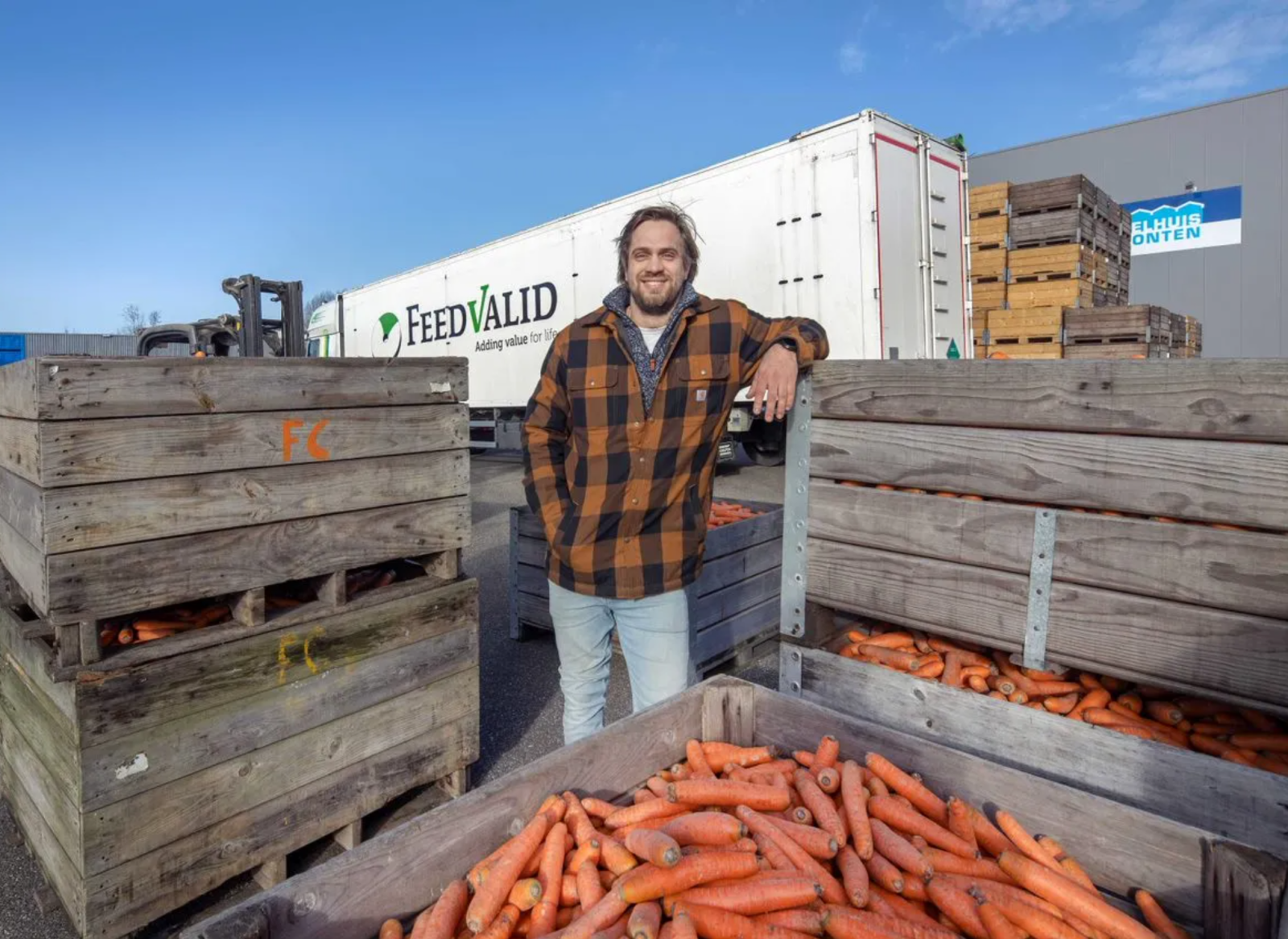
FeedValid and Oranjehoen started a collaboration for a circular system surrounding poultry. The carrot residue streams from FeedValid and HelloFresh go to Oranjehoen. They dry the carrots in cooperation with TopFeed. Subsequently, ForFarmers De Hoop turns them into premium quality chicken feed, which is fed to Johan's Oranjehoen chickens. The meat then goes back to HelloFresh, and the manure returns to the fields as nourishment for the soil. In this way, the circle is beautifully complete.
Read more (in Dutch).
Would you like to know more?